Our Blog

How Long Do I Need To Wear Retainers?

November 2nd, 2022
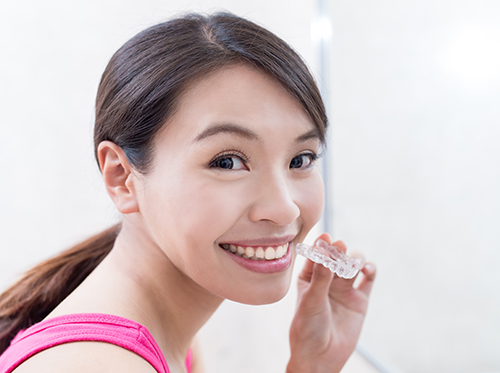
Once you get your braces off, you want to make sure your smile remains straight! This is where retainers come in.

Once your braces come off, you’ll be fitted for a retainer provided by Dr. Groisser to keep those teeth in place. A retainer is a custom-fit device that sits in the mouth and reinforces the new position of your teeth. Wearing it may be annoying at first, but it’s an essential part of the process of keeping your teeth in place over the long term.

For the first few months after your braces are gone, Dr. Groisser will tell you to wear your custom retainers all the time, except when you’re eating, drinking, or brushing. You have the option of having a clear plastic retainer made if you’re concerned about your appearance.

Eventually, we will recommend that you only have to wear the retainer during each night for a full year. After that, you may take a couple nights off from wearing them each week. In order to preserve the position of your teeth for as long as possible, we don’t recommend that you ever fully stop wearing your retainers.

If you’re concerned about forgetting to wear your retainer, and worried that your teeth may shift, a lingual retainer could be a good option for you. This gets placed on the back of your teeth and is not readily visible.

These retainers are permanent, but they could cause issues for you down the road if you don’t maintain good oral hygiene. Plaque and tartar can build up around these lingual bars, which is why we don’t usually recommend this as a primary choice.

Wearing your retainer is extremely vital after your braces come off. Without your retainer to keep them in place, the teeth you’ve taken so long to fix may begin to shift again. Getting braces is quite an investment, which is why you should keep wearing your retainer long after the braces have come off.

If you have questions or concerns regarding your retainers, contact our Clarksburg, Gaithersburg, and Hagerstown office and we can address any problems you may have.


A Fun Halloween with Braces

October 26th, 2022

Having teeth encased in braces can be discouraging during Halloween. If you or your child has braces, there are certain candies to avoid this holiday season—and in general—while you have braces. Candy can be tempting, especially for children.

But don’t worry; other sweet treat options can readily take their place. Take a look at the American Association of Orthodontists’ tips on how to keep your braces safe.

Treats to avoid because they can cause damage to your braces include:

  • Hard candies
  • Chewy candies
  • Nuts
  • Caramel
  • Licorice
  • Jelly beans
  • Taffy
  • Bubblegum
  • Hard pretzels
  • Popcorn

These goodies should be avoided because they have the potential to bend or break your braces. Broken brackets and loose wires can waste time and money.

Switch out hard, chewy, and sticky candies for these options in the mean time:

  • Soft chocolate
  • Peanut butter cups
  • Gelatin treats
  • Ice cream
  • Smoothies
  • Root beer floats
  • Apple cider

Encouraging your child to stay with alternative, braces-friendly treats may prevent her from trying to eat candies that could break or damage braces. Halloween can still be fun, especially if your youngster (or you) don’t have to visit our Clarksburg, Gaithersburg, and Hagerstown office get braces fixed.

Make sure to remind your child to avoid harmful candies, and encourage him to exchange treats with friends to make it more fun. Only passing out candies that children can eat safely, such as soft chocolates, can make them feel included.

Dr. Groisser and our team hope you enjoy your Halloween season, regardless of whether you are wearing braces.

When Your Permanent Retainer—Isn’t

October 19th, 2022

Even though it’s called a “permanent retainer,” your fixed retainer isn’t necessarily meant to last a lifetime. But with care, it should last just as long as you need it, keeping your teeth perfectly aligned after your orthodontic treatment is complete. Why is this retainer the one to choose for challenging alignments?

A fixed retainer is often used for teeth which were very crowded or had large gaps before treatment, especially along the bottom teeth, which tend to shift more. With a permanent retainer, a custom fitted wire is attached with a bonding adhesive to the back of each of the selected teeth. This design makes sure that the teeth can’t shift out of place while your bones and ligaments strengthen around them.

Occasionally, though, your permanent retainer isn’t quite as permanent as it should be. If you think your fixed retainer is becoming “unfixed,” what clues should you look for?

  • Broken wire

A clearly broken wire can be obvious, or you might discover it when you notice pain or irritation caused by the end of a wire poking around your tongue or mouth.

  • Loose bond

The orthodontic adhesive used to bond the wire to each tooth can come loose as the result of an accident, an unfortunately chewy treat, or simply with the passage of time.

  • Shifting teeth

You might not notice anything wrong with your retainer, but what you do notice is that your once-straight teeth have started shifting back to their old positions. If you see any movement in your teeth, your retainer might need repair.

What should you do?

  • Give our Clarksburg, Gaithersburg, and Hagerstown orthodontic office a call! It’s important to act promptly to prevent further retainer damage, oral discomfort, and tooth misalignment.
  • Rinse with warm water if your mouth is irritated.
  • If a wire is poking you, call us for advice on gently pushing it back into place.
  • Orthodontic wax can protect your teeth and tissue from detached wires.
  • If you have a clear retainer, wear it until you can come in. If you don’t have one, and you can’t see us immediately, ask if an over the counter moldable retainer is a good idea to help keep your teeth aligned in the meantime.

One benefit of a fixed retainer is that it’s almost invisible because it’s behind your teeth. But this hidden location can also make it difficult to notice potential problems. Fortunately, there are some proactive steps you can take to help your permanent retainer—and your bite—stay healthy:

  • Avoid foods which are sticky, hard, or chewy. If a food can damage traditional braces, it can damage your retainer.
  • Wear protective gear like mouthguards and helmets when you’re active—they protect more than just your retainer!
  • Ask your dentist to examine your retainer adhesive’s staying power whenever you have a checkup.

If you notice a detached wire or loose adhesive or see your teeth shifting, give Dr. Groisser a call. It’s important to act promptly to fix a fixed retainer, because your teeth and bite alignment are in jeopardy when you delay. And always bring your retainer (or retainer pieces) with you in case we can repair it.

Permanent retainers don’t necessarily last forever. But whether your fixed retainer is going to be with you long-term, or whether you’re going to transition to a removable retainer in the future, let’s make sure your permanent retainer is just as “permanent” as it needs to be!

Five Tips in Caring for Your Braces During Orthodontic Treatment

October 12th, 2022

After getting your braces, it is important to know how to take care of your teeth in order to ensure that your braces stay intact and do their job so that your teeth are in top-notch condition after you complete your orthodontic treatment. Today, our team at Village Orthodontics thought we would provide you with five tips you need to know to ensure you undergo successful treatment at our Clarksburg, Gaithersburg, and Hagerstown office.

Flossing
Flossing twice a day or after every meal can help you clean areas between teeth and other places a toothbrush can miss. We also recommend using a floss threader, which can be used to help you navigate safely around your braces and brackets. It is vital to floss twice a day, preferably after lunch and before bedtime to keep gum disease and tooth decay at bay.

Brushing
Teeth and appliances should be brushed after every meal and before bedtime using fluoride toothpaste and gentle, soft strokes. We recommend using an interdental toothbrush, which can help you clean the hard-to-reach areas under wires better than an ordinary toothbrush.

Using Elastics
This phase of orthodontic treatment requires cooperation and consistency on your part. If your orthodontist has prescribed elastics, make sure they are worn at all times, except when eating meals or brushing teeth. It’s important that you wear the correct size elastics and have extras in case they are misplaced. By failing to wear your elastics for even one day, you run the risk your teeth moving back toward their original position.

Addressing Damage to Your Braces
In case your appliances are damaged, we ask that you call our team at Village Orthodontics immediately to set up an appointment.

Eat Friendly Foods
When undergoing treatment, there are certain foods you must avoid. Foods that are hard, sticky, chewy or sour can add months to your treatment time. These includes gum, caramels, taco shells, nuts, ice, chips or hard candies.

We hope that helps! If you have any questions, please give us a call at our Clarksburg, Gaithersburg, and Hagerstown office or ask us during your next adjustment appointment!

sesame communicationsWebsite Powered by Sesame 24-7™ Site Map Back to Top